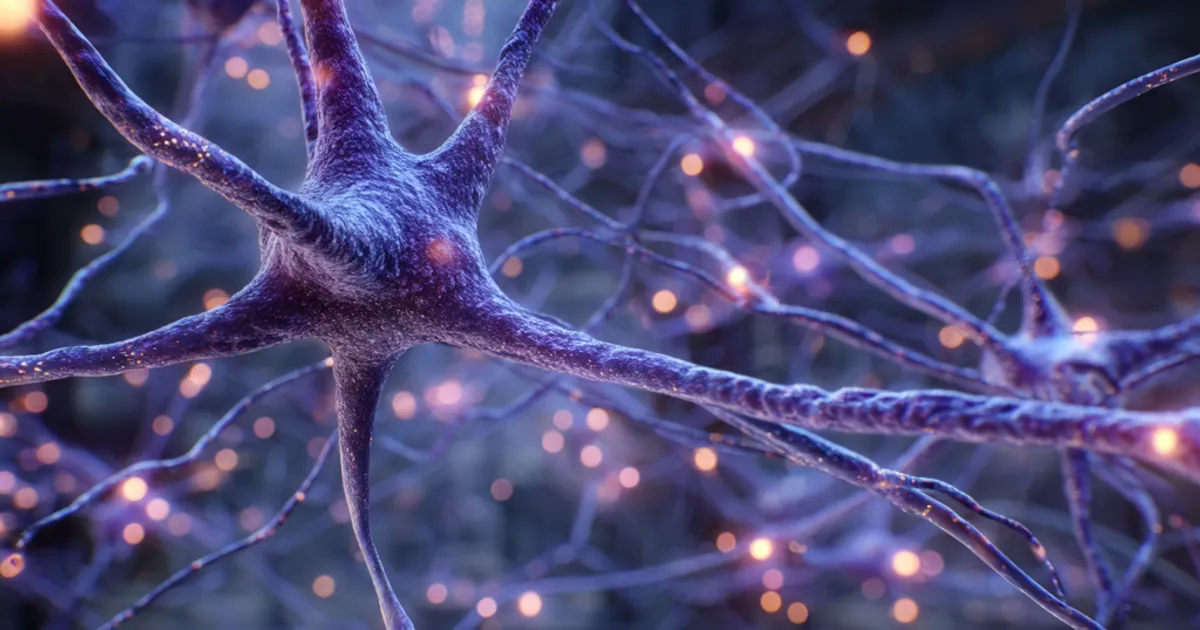
Do you have migraine with severe aura, such as paralysis, numbness or speech problems? In this blog post we explain the role of astrocytes and the impact of genes.
Astrocytes: the caretakers of your brain
Astrocytes are star-shaped cells in your brain that are crucial for a well-functioning nervous system. Among other things, they take care of:
- Maintaining the electrolyte balance: this is essential for a stable environment in which your nerve cells can work properly.
- Clearing away glutamate: this is an excitatory neurotransmitter. An excess of glutamate can lead to overactivation of nerve cells, which plays a leading role in migraine attacks.
When the ATPase gene works less well
The ATPase gene plays a key role in how astrocytes work. When this gene works less efficiently, several problems arise:
- The electrolyte balance is disrupted.
- Glutamate is cleared less effectively, which can lead to “cortical spreading depression”: a phenomenon in which the brain first becomes overstimulated and then temporarily shuts down. This may be the basis of the aura you experience.
- More oxidative stress develops, which contributes to neuroinflammation and the development of migraine.
But what does this mean for you?
A true genetic mutation in this ATPase gene is rare and is often linked to a rare condition: familial hemiplegic migraine. Your life and lifestyle are far more decisive than “good” or “bad” genes.
As we say in Psycho-Neuro-Immunology: “Genetics load the gun, but environment pulls the trigger.” In other words, even if you are predisposed to migraine, your lifestyle choices can strongly influence your risk and the severity of your attacks.