Bleeding gums are not just a sign of poor oral health, they can also contribute to migraine. It may sound surprising, but the link between your mouth and your brain is stronger than you think. Read on to find out exactly how this works.
Bacteria in your mouth: more than just a gum problem
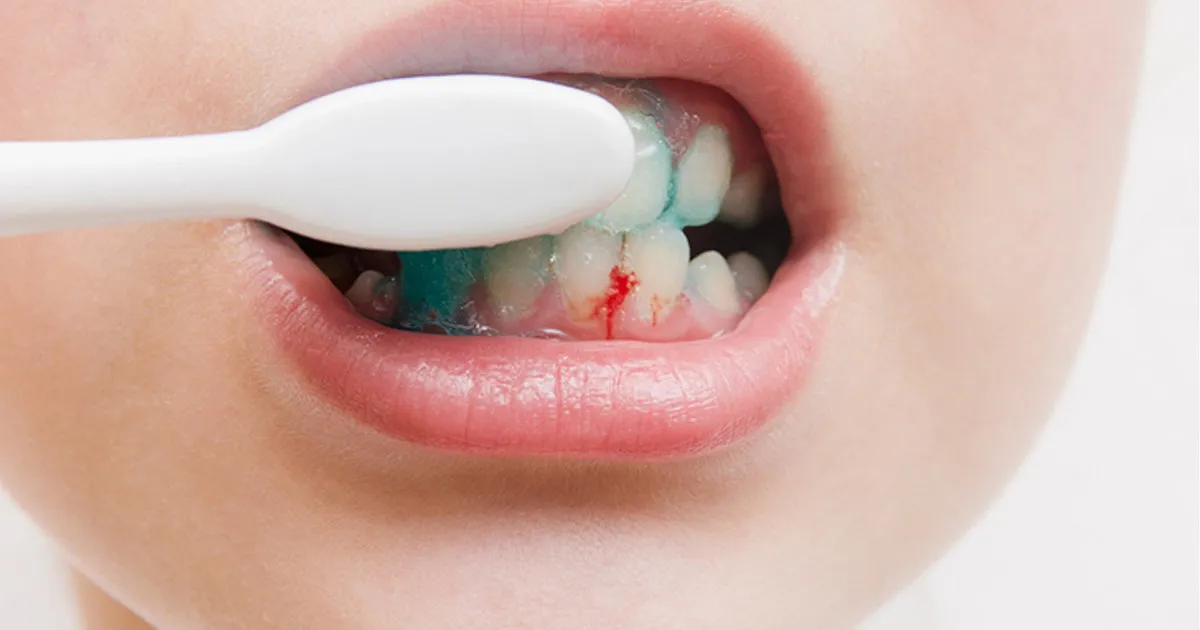
When your gums bleed while you brush or floss, it means the barrier in your mouth has been weakened. This gives bacteria free rein. But did you know that these bacteria can affect not only your gums, but also your brain?
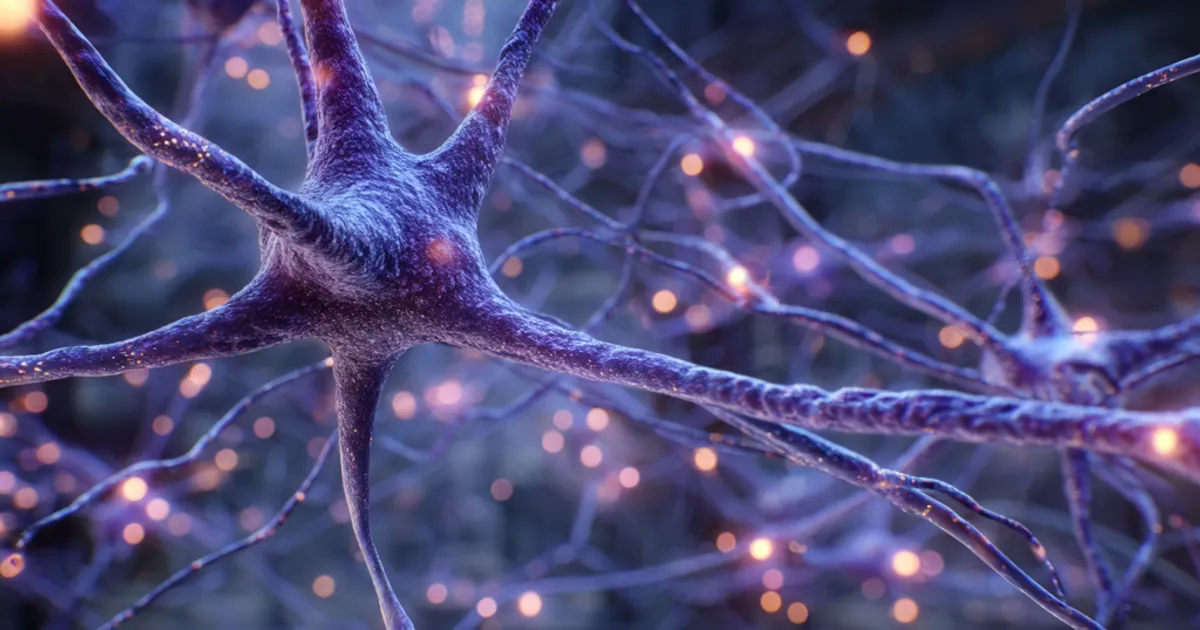
The trigeminal nerve, which plays an important role in migraine, runs through your face and is connected to both your mouth and several areas of the brain. If bacteria invade the mouth and reach the trigeminal nerve, this can trigger an inflammatory response that can lead to migraine. Inflammation is in fact one of the most important causes of migraine.
The trigeminal nerve and migraine
The trigeminal nerve is crucial for people with migraine. Inflammation caused by mouth bacteria can lead to neuroinflammation, an inflammatory response in the brain that can affect your hypothalamus, among other areas. The hypothalamus regulates many important processes, such as keeping our body in balance when things change around us: air pressure, temperature, glucose levels and so on.
Apart from the fact that the inflammatory response can cause migraine on its own, neuroinflammation of the hypothalamus can also throw your electrolyte balance off. The right balance of electrolytes such as sodium and potassium is crucial for neurons to work properly. If you are short of them, or they are out of balance, your brain does not get enough energy and the risk of a migraine attack goes up. At that point, even small changes in your environment can be enough to trigger an attack.
How healthy is your mouth?
Do your gums bleed when you brush your teeth? Can you floss without bleeding? These are signals about your oral health that you should not ignore, and besides migraine they can cause many other problems. Make your oral health a priority. Healthy teeth and gums also mean a healthier brain and less chance of migraine.